Cookie information
We use cookies and similar technologies for proper service operation, analytics and – if you consent – personalization.
At least essential cookies are required for the app to function. You may decline – that will terminate further use of the service.
Not accepting cookies may result in some features of the site being unavailable!
We use cookies for essential functions, analytics and – with consent – personalization. Privacy Policy.

Live streaming without the panic
How do you make a stable live stream?
Connect reliable ingest, quality monitoring, and multi-platform delivery in one workflow for live production.
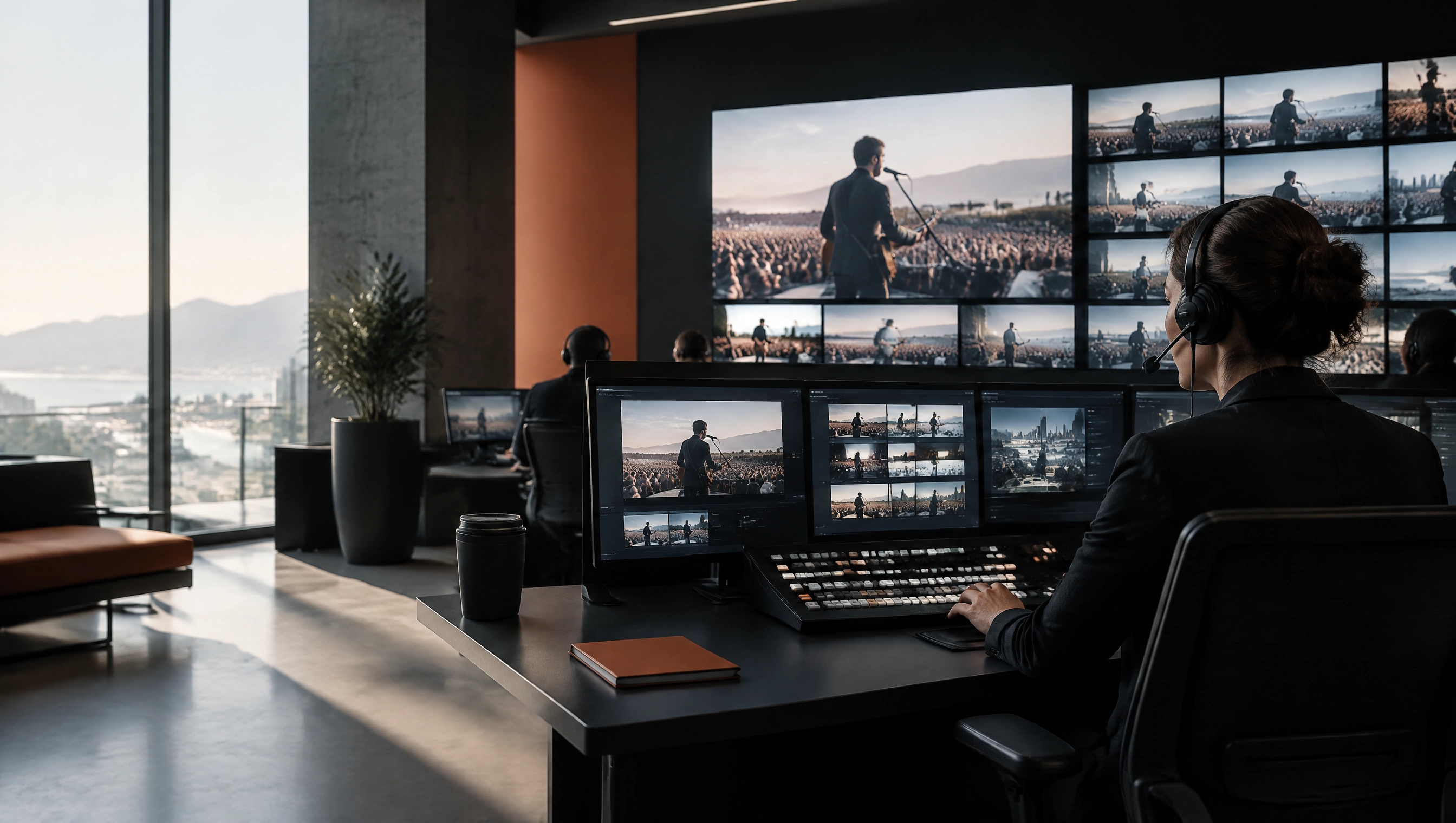
MediaDock / intent
From the first source to a stable broadcast, with one place to stay in control.
The solution
A signal that stays on plan
MediaDock helps your team move from the first source to playout without jumping between tools.
In practiceWhat this is
Live streaming is not only a picture sent to the internet. It is a chain of decisions: where the signal starts, who watches its quality, where the programme goes, and what remains after the show.
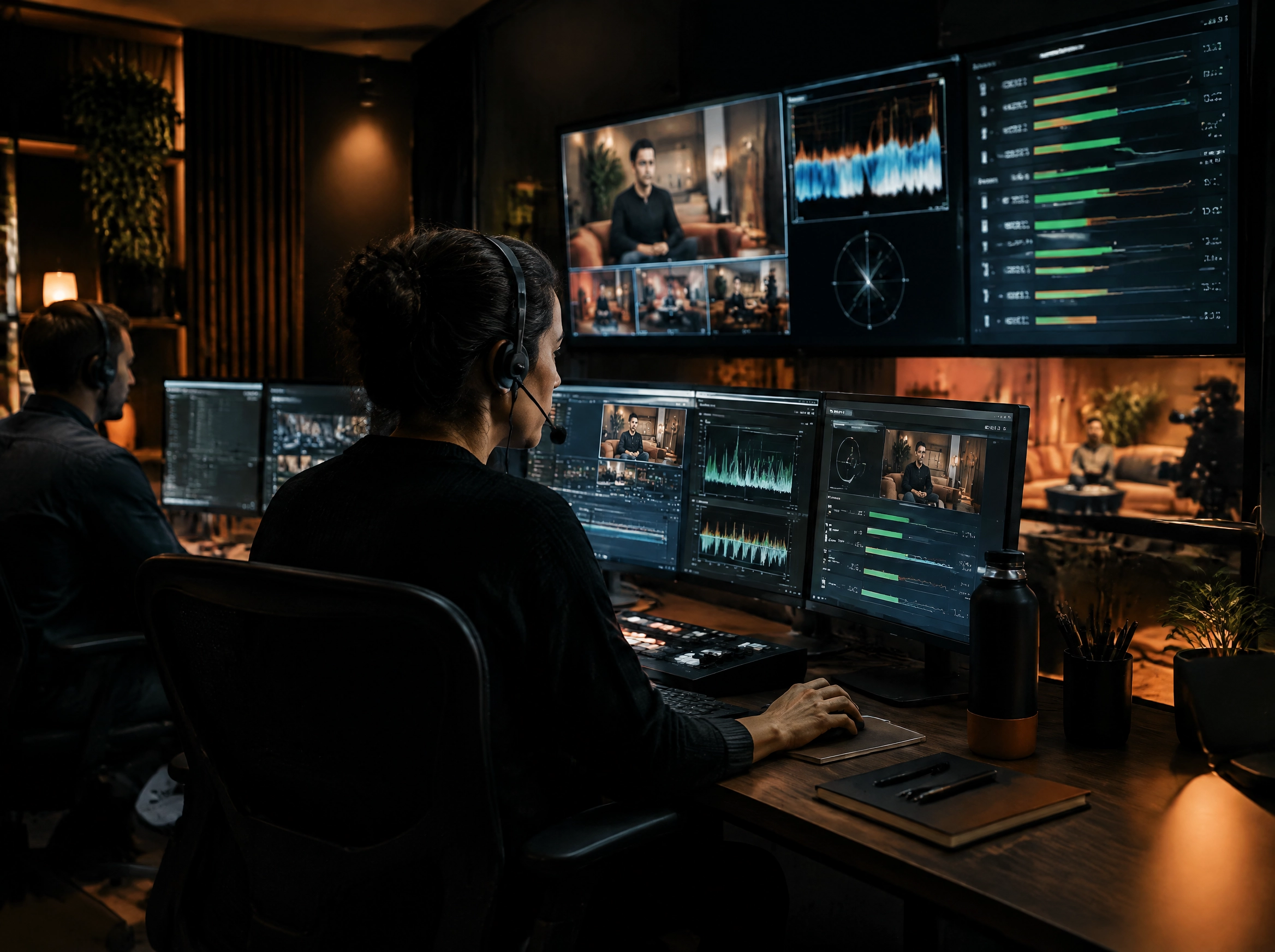 What this is / 01
Where the work gets hard
Network, latency, or bitrate issues usually appear when viewers are already watching. Without monitoring, the operator finds out too late.
Every extra platform adds settings, credentials, and another panel to check. That costs time and makes it harder to locate the real fault.
Professional infrastructure can cost more than the production when backup links, storage, and several separate tools are involved.
In practice
What happens before you press Start
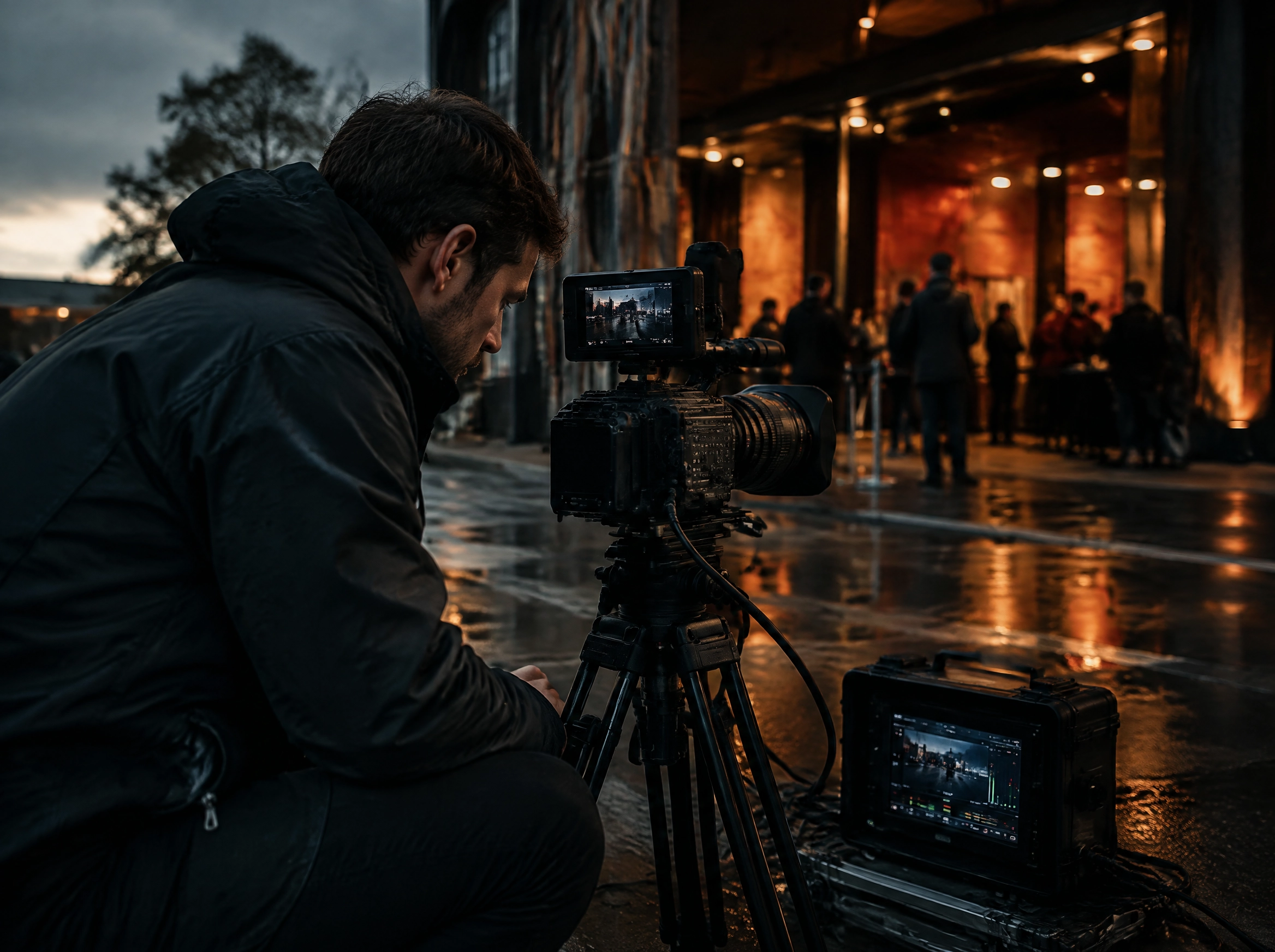 In practice / 02
The source enters through SRT or RTMP ingest, while the operator sees its state and parameters immediately.
Monitoring shows bitrate, latency, and continuity before an issue reaches the audience.
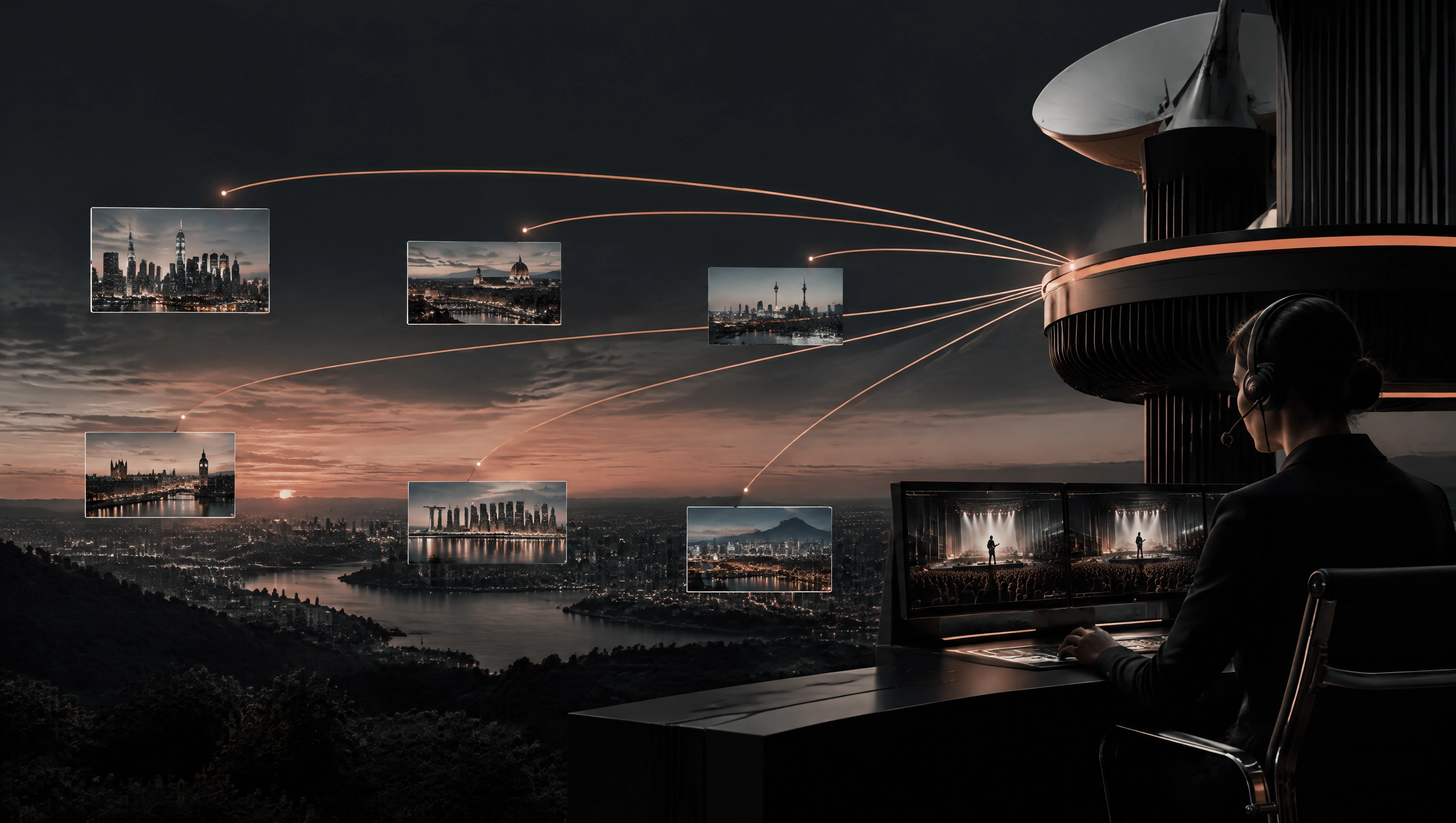
One configuration sends the programme to platforms, CDNs, and private viewers.
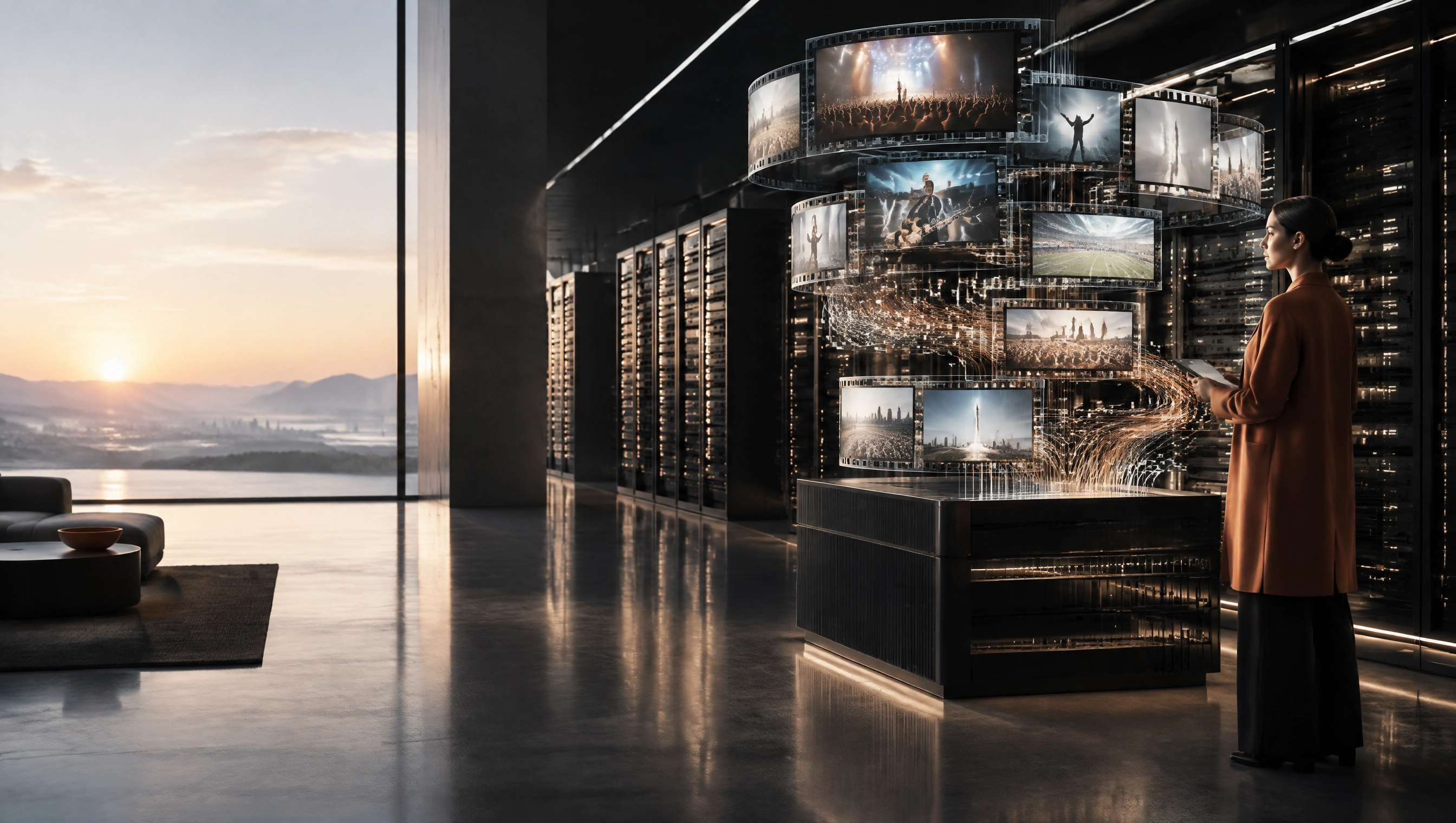
After the broadcast, the recording and technical data stay in the same project for reuse.
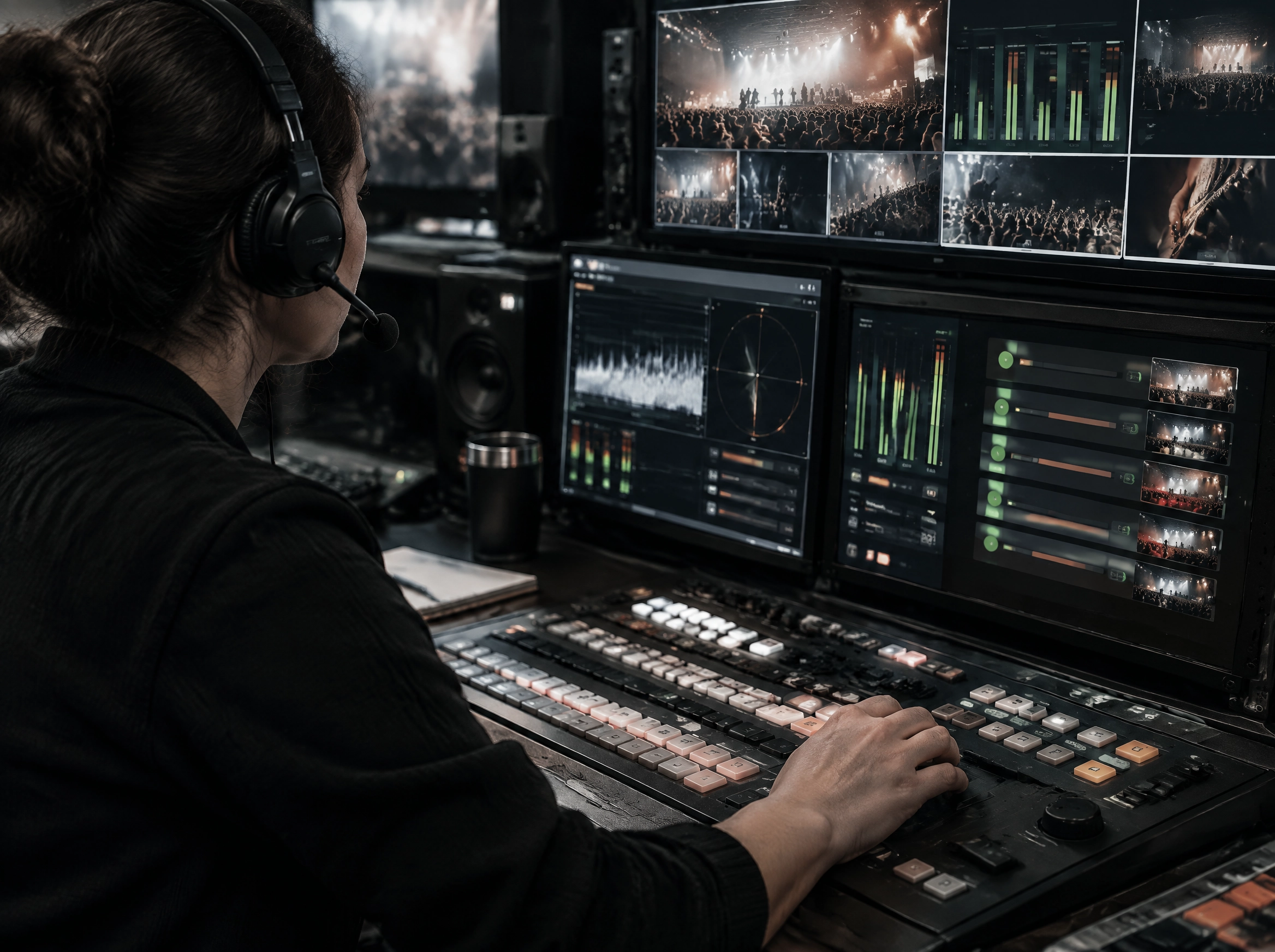
SRT streaming in the cloud
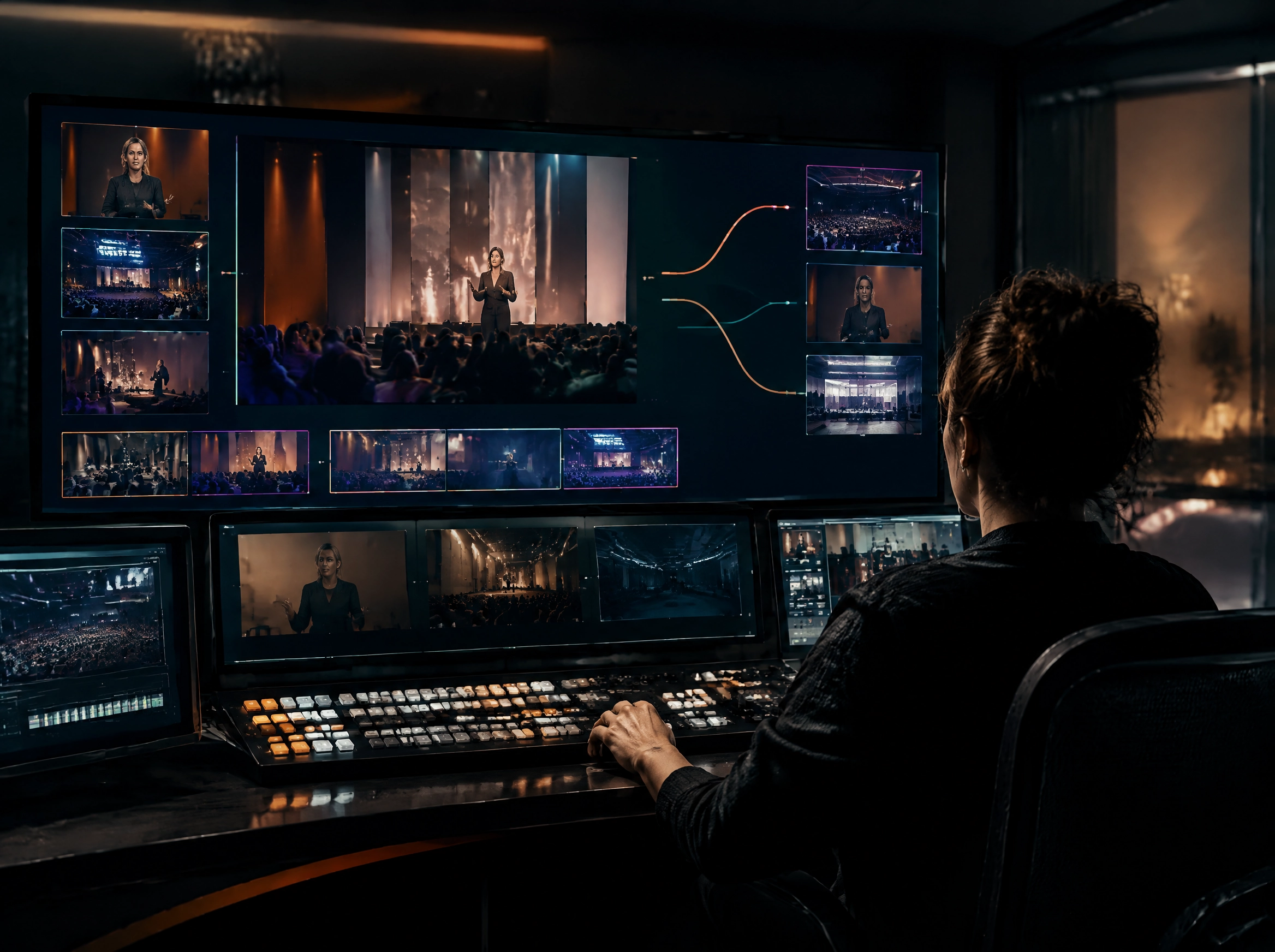
One control room for the whole signal
A live broadcast does not end when the picture reaches one address. The team needs to know whether the source is healthy, the outputs still respond, and where latency appears.
MediaDock puts those decisions into one workflow: ingest, monitoring, delivery, and recording belong to the same project instead of four separate panels.
The operator can react to a specific signal while the producer gets a clear view of the broadcast without digging through logs and vendor dashboards.
 The solution, cost, and time / 03
The solution, cost, and time
MediaDock connects ingest, monitoring, delivery, and recording in one project, so the team does not build the workflow from scratch.
Start with a ready module and use resources when a production needs them. That means shorter preparation, less manual work, and a cost that is easier to control than a stack of unrelated services.
Open the moduleCreate a broadcaster account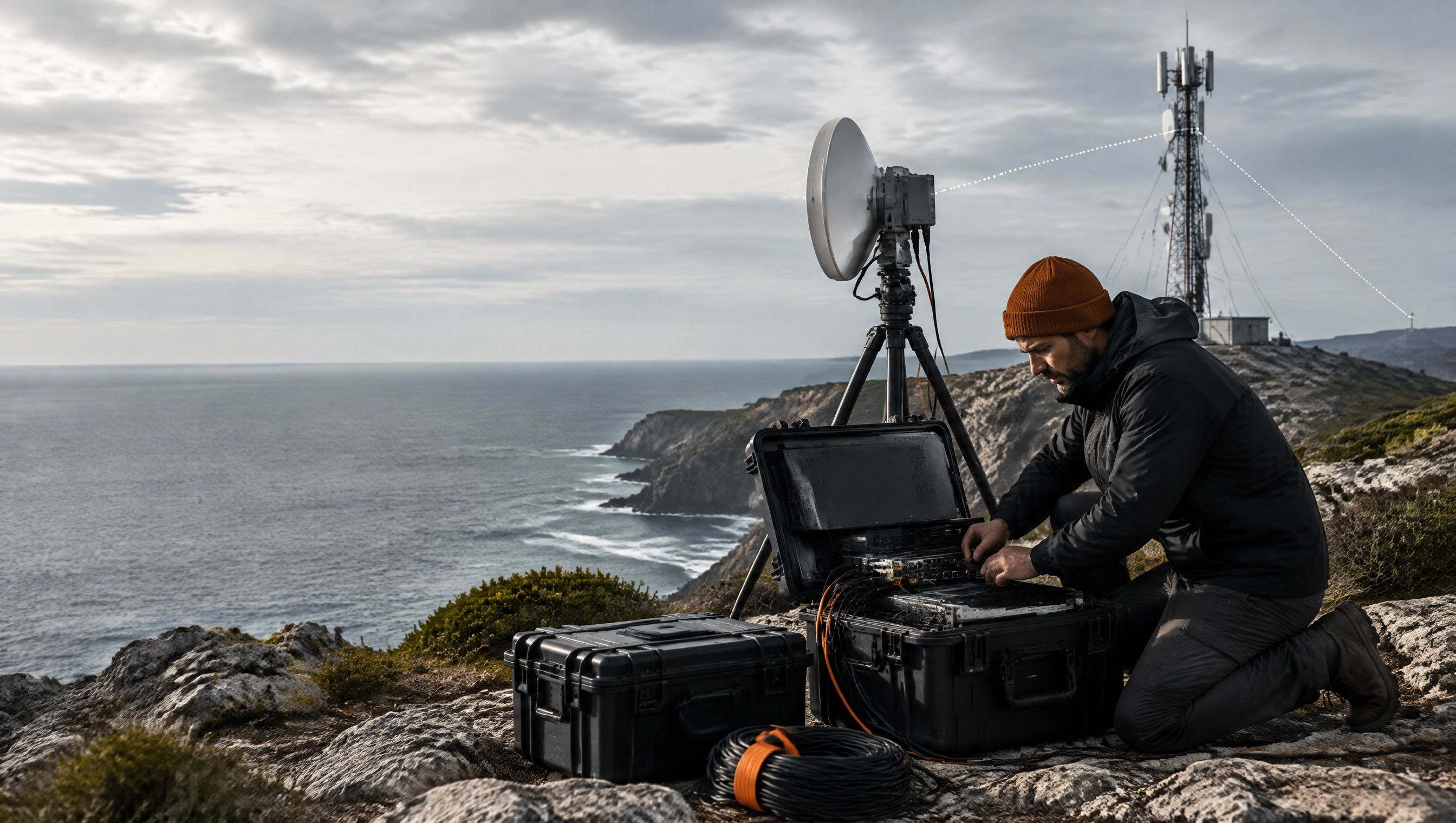
Next step